Kigali’s Tourism Moment: How Rwanda Is Building a New Generation of Travel Experiences
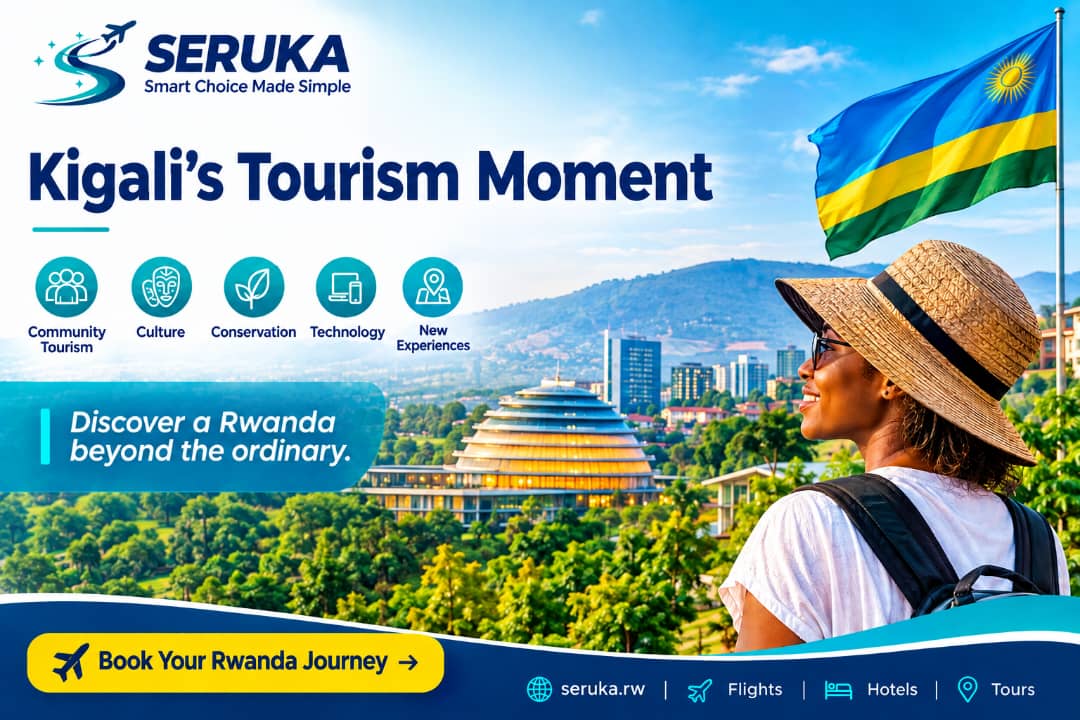
Rwanda's tourism story is expanding beyond its famous attractions. From community-led experiences and cultural heritage to conservation and digital innovation, a new generation of travel experiences is taking shape.
For many international travelers, Rwanda is known for its mountain gorillas, beautiful landscapes, and clean, welcoming capital. But the country's tourism story is becoming much bigger than a list of famous attractions.
Across Rwanda, communities, tourism businesses, conservation groups, and young entrepreneurs are creating experiences that allow visitors to see another side of the country — one shaped by culture, people, food, creativity, and local stories.
A Tourism Experience Built Around People
One of the most interesting changes is the growing focus on community-based tourism. Instead of keeping visitors separated from everyday life, these experiences create opportunities for travelers to meet local people, learn traditional skills, taste local food, and understand the stories behind the destination.
The Community Tourism Fair 2026 highlighted this direction by bringing together communities, tourism professionals, conservation practitioners, entrepreneurs, and other partners around a more inclusive tourism model.
Culture Is Becoming Part of the Journey
Rwanda's culture is also becoming an important part of the visitor experience. Traditional dance, storytelling, crafts, food, music, and heritage can turn a simple visit into something more personal.
Culture
Visitors can experience traditional performances, local cuisine, crafts, stories, and living heritage.
Community
Locally led experiences can connect travelers directly with the people who make each destination unique.
Conservation
Tourism can help support the protection of natural areas while creating opportunities for surrounding communities.
Beyond the Traditional Tourism Route
The opportunity is not limited to Kigali or the country's most famous tourism sites. New community and heritage initiatives are emerging across Rwanda's different regions.
In Kayonza, for example, a new cultural heritage center is being developed around Rwanda's pastoral traditions, with plans involving cultural experiences, crafts, agro-tourism, and links to conservation and nearby attractions.
These developments show how tourism can encourage travelers to explore more of Rwanda while giving local communities a greater role in the experience.
Conservation Is Part of the Experience
Rwanda's tourism model continues to place conservation at the center of many visitor experiences. Wildlife and protected landscapes are not simply attractions; they are part of a wider effort to protect biodiversity while creating economic opportunities around tourism.
From Akagera's savannah to Nyungwe's rainforest and the Volcanoes region, travelers can experience very different sides of Rwanda within one country. The growing emphasis on conservation also gives visitors a chance to understand why protecting these places matters.
Luxury Is Finding a New Place in Rwanda
Rwanda's tourism development is also moving into a new phase of high-end hospitality. In 2026, The Lux Collective announced a five-resort tourism circuit covering Lake Kivu, Akagera National Park, Volcanoes National Park, and Nyungwe National Park, combining luxury accommodation with sustainability, conservation, and local connections.
This shows how Rwanda is creating more than individual hotels. The idea of connecting several destinations into one tourism circuit could give travelers a more complete experience of the country.
Lake Kivu
Water, scenery, relaxation, and lakeside experiences are becoming an important part of Rwanda's tourism offer.
Akagera
Wildlife, conservation, and safari experiences offer a completely different side of the country.
Nyungwe
Rainforest landscapes, biodiversity, and nature-based experiences create another reason to explore Rwanda.
Volcanoes
Mountain landscapes, gorilla experiences, and surrounding communities continue to make the region internationally significant.
Kigali as the Starting Point
Kigali remains an important starting point for travelers exploring Rwanda. But the city's role is becoming more than simply a place to arrive before heading to other attractions.
The development of cultural, entertainment, hospitality, and visitor experiences within the capital gives travelers more reasons to spend time in Kigali itself.
Rwanda's own tourism investment plans also include projects intended to diversify Kigali's tourism offering and showcase the country's culture and heritage.
The Traveler Is Changing Too
Today's traveler is increasingly interested in experiences that feel personal. A trip is no longer only about taking photographs at famous attractions. People want stories, local connections, food, nature, culture, and experiences they can remember after returning home.
That shift creates an opportunity for Rwanda. Its compact size makes it possible to combine different experiences — city life, culture, conservation, wildlife, mountains, forests, and lakes — within one journey.
Final Thoughts
Rwanda's tourism story is entering an interesting stage. The country is building on its established strengths while creating more opportunities around community tourism, culture, conservation, hospitality, and new destination experiences.
For travelers, that means Rwanda is becoming a place where there is more to experience beyond the attractions they may already know.
And for Kigali, the opportunity is even bigger: to become not only the gateway to Rwanda, but part of the experience itself.
Explore Rwanda
Plan your next Rwandan experience with Seruka — from stays and flights to unforgettable journeys.
Book Now